ช่องทางการติดต่อ
สาขาปุณณวิถี : 08x-xxx-xxxx
สาขาศรีนครินทร์ : 088-246-4924
Line ID: @Xdcdental (มี@ด้วย)
ช่องทางการติดต่อ
สาขาปุณณวิถี : 08x-xxx-xxxx
สาขาศรีนครินทร์ : 088-246-4924
Line ID: @Xdcdental (มี@ด้วย)
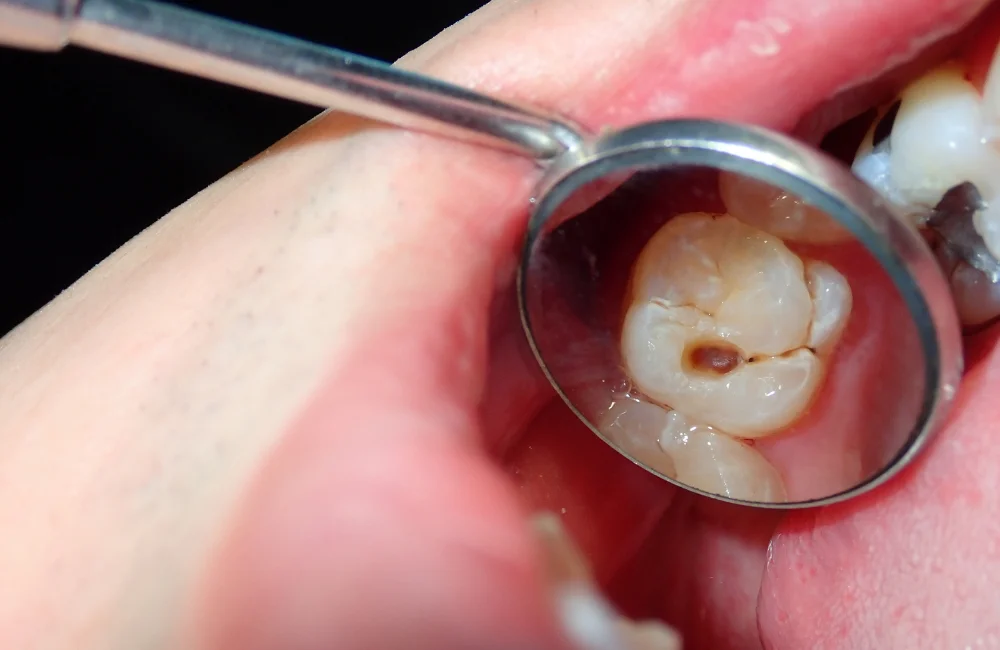
Pulpitis, or a cavity that has penetrated the tooth’s nerve pulp, is the most severe stage of tooth decay. This occurs when bacteria erode through the enamel and dentin layers, reaching the inner chamber containing nerves and blood vessels. It often causes severe pain and, if left untreated, can lead to serious infections that affect your overall health.
When a cavity reaches the dental pulp, the symptoms are often intense and hard to ignore. They include:
Note: Over-the-counter pain relievers can only provide temporary relief and do not treat the underlying infection.
The primary cause of pulpitis is untreated tooth decay. It begins when bacteria in the mouth feed on sugars and starches, producing acids that erode the tooth’s surface and create a small hole. Without treatment, this cavity deepens through the layers of the tooth until it breaches the pulp chamber, leading to infection, inflammation, and severe pain.
Yes, pulpitis is extremely dangerous and is considered a dental emergency. If not treated promptly, the infection can lead to an abscess at the root tip, potentially spreading to the jawbone. In severe cases, the infection can travel to other parts of the body, such as the sinuses, eyes, or neck, causing life-threatening complications. Prompt treatment is essential to save the tooth and prevent the spread of infection.

An experienced dentist will recommend the best treatment for pulpitis based on the condition of your tooth. The main approaches include:
This is the most common and preferred treatment for saving a tooth with pulpitis. The dentist removes the infected pulp, cleans and disinfects the root canals, and then seals them to prevent re-infection. If a significant amount of the natural tooth structure is lost, a dental post and crown will be placed over the tooth to restore its strength, function, and appearance.
If you are already planning to get braces and have a severely decayed tooth that cannot be saved, your dentist may recommend extracting it. The resulting gap can then be closed through orthodontic treatment, which prevents neighboring teeth from shifting and causing bite problems.
For teeth with severe pulpitis that cannot be saved, extraction is necessary. To maintain oral function and prevent other teeth from shifting, the missing tooth should be replaced. Options include a dental bridge, partial denture, or a dental implant, which helps preserve jawbone health and facial structure.
(While the article focuses on advanced pulpitis, we can add this for clarity) In cases of reversible pulpitis, where the inflammation is mild, removing the decay and placing a simple dental filling may be enough to resolve the issue and save the tooth without a full root canal.
The cost of treating pulpitis varies depending on the chosen method.

Good dental health starts with proper care and regular check-ups. At XDC Dental Clinic, our team of expert dentists is ready to provide comprehensive consultations and treatments for all oral health issues. With modern technology and AACI-accredited international standards, we are equipped to handle everything from pulpitis and root canals to orthodontics and cosmetic smile design. We are committed to providing you with meticulous care for a beautiful, healthy, and long-lasting smile.