ช่องทางการติดต่อ
สาขาปุณณวิถี : 08x-xxx-xxxx
สาขาศรีนครินทร์ : 088-246-4924
Line ID: @Xdcdental (มี@ด้วย)
ช่องทางการติดต่อ
สาขาปุณณวิถี : 08x-xxx-xxxx
สาขาศรีนครินทร์ : 088-246-4924
Line ID: @Xdcdental (มี@ด้วย)
Many people who have had braces in the past find their teeth shifting back over time, a problem often called “orthodontic relapse.” If you’re unhappy with your smile years after your first treatment, you might be wondering: Is it worth getting braces a second time? This article covers everything you need to know before deciding on retreatment to help you achieve a confident, beautiful smile once again.
Orthodontic retreatment simply means undergoing braces or clear aligner therapy for a second time. It is designed for individuals whose teeth have moved out of alignment after their initial treatment or for those who were not fully satisfied with their original results. The goal is to correct these issues and restore a perfectly aligned smile.
There are several common reasons why a second round of orthodontic treatment becomes necessary.
Sometimes, the initial treatment may not have achieved the desired outcome. This could be due to a treatment plan that wasn’t perfectly suited to the patient’s needs, such as not extracting teeth to create adequate space, resulting in a smile that wasn’t as straight as expected.
This is the most common reason for needing braces again. Relapse often occurs when a patient does not wear their retainer as prescribed by their orthodontist. Retainers are crucial for holding teeth in their new positions. Without them, teeth have a natural tendency to drift back to their original spots. A lost, loose, or damaged retainer can also lead to this issue.
In some cases, issues like protruding teeth (an overjet) are caused by the underlying jaw structure. The first round of braces may not have been able to fully correct this without addressing the jaw itself. A second round of treatment, sometimes in combination with jaw surgery, may be needed to achieve a perfect bite and facial balance.
A second round of treatment offers significant advantages for both aesthetics and function:
You should consider orthodontic retreatment if you are:
The great news is that you have a wide variety of modern options for your second round of treatment, including traditional metal braces, ceramic braces, and discreet clear aligners like Invisalign. Your orthodontist will help you choose the best option based on your needs and lifestyle.
Before starting your second orthodontic journey, you should take the following preparatory steps:
The process for getting braces again involves these key steps:
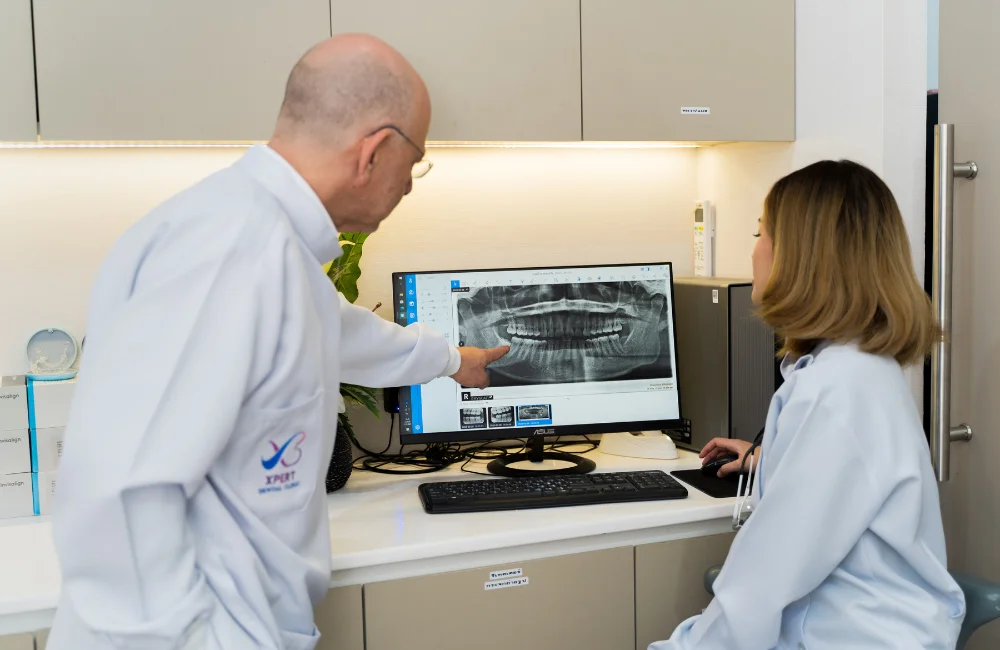
Your journey begins with a consultation where an orthodontist evaluates the condition of your teeth, jawbone, and tooth roots. They will check for any damage, such as root resorption from your first treatment, to confirm if a second round is safe and viable. This is also the time to discuss any concerns about pain or potential side effects.
Your orthodontist will ensure your mouth is perfectly healthy before starting. This includes a professional cleaning, filling any cavities, treating root canals, or extracting wisdom teeth. This step minimizes the risk of oral health problems during your treatment.
Once your mouth is cleared, the orthodontist will fit your chosen orthodontic appliance—whether it’s metal, ceramic, Damon braces, or clear aligners. The choice will be based on your dental condition, lifestyle, and budget.
You will have periodic appointments to monitor your progress and adjust the appliance. The frequency of these visits depends on the type of braces you have and your specific treatment plan.
Once your teeth have moved into their desired positions, the braces are removed. You will then be fitted for a retainer, which is a critical step to prevent your teeth from shifting again and to preserve your new smile for years to come.
To maintain your results long-term, strictly follow these recommendations:
The price of orthodontic retreatment varies based on factors like the complexity of the problem, the type of appliance used, and the clinic you choose. The cost can range from tens of thousands to over one hundred thousand baht.
Factors affecting the price include the severity of the tooth relapse (more significant shifting costs more) or if jaw surgery is required, which would substantially increase the cost. It is best to consult with an orthodontist for a detailed cost assessment.
The discomfort is generally similar to the first time, especially right after the appliance is fitted or adjusted. However, the pain typically subsides as your teeth adapt. Modern technologies, such as Damon braces or clear aligners, can often make the experience more comfortable.
There is a slightly higher risk of tooth root resorption (shortening of the roots) compared to the first time, due to the cumulative effect of tooth movement. Therefore, it is crucial to choose a highly experienced orthodontist who will perform a thorough evaluation of your bone and root health before beginning treatment.
Treatment time is often shorter than the first round, typically lasting between 6 months and 2 years. If the issue is minor relapse, it can be quite fast. However, complex cases involving jaw issues may take longer.
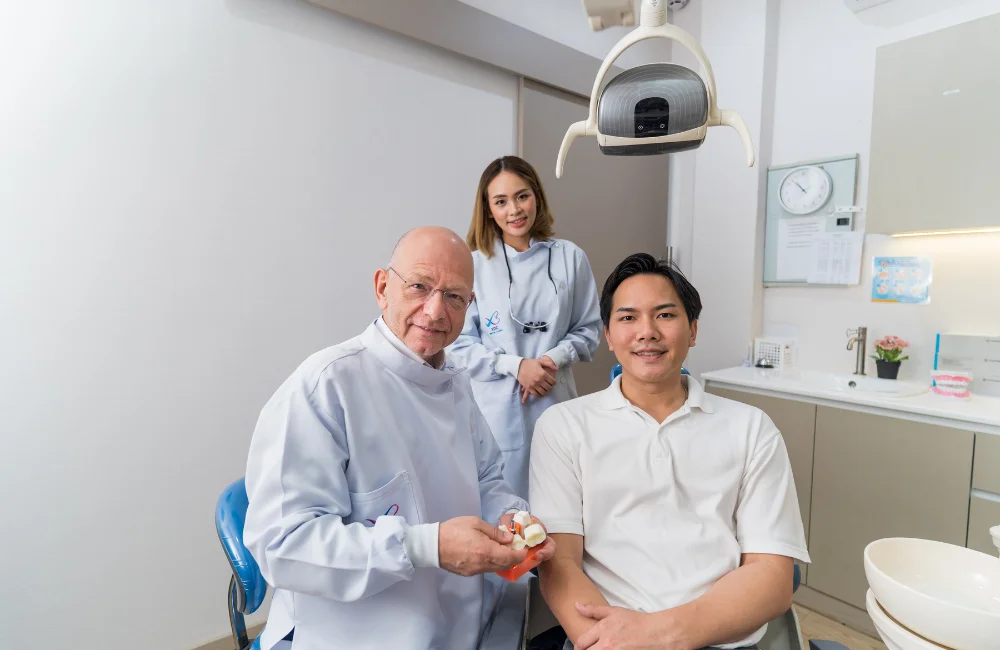
A beautiful smile begins with the right care. XDC Dental Clinic is here to provide expert consultations and second-round orthodontic treatment with our team of dentists, each with over 10 years of experience. Using modern tools that meet international AACI standards from the USA, we are committed to your holistic oral health—from detailed assessments and personalized treatment plans to post-treatment follow-up.
If you are considering a second round of braces, contact us at our XDC Dental Clinic branches in Punnawithi and Srinakarin.