A Complete Guide to Fixing Crowded & Crooked Teeth
Crowded teeth are a common dental issue that impacts both the appearance of your smile and your overall oral health. Many people wonder how to fix crooked teeth, whether braces are necessary, or if other treatment options exist. This article covers everything you need to know about crowded teeth—from the causes and diagnosis to the most effective treatment methods—to help you make an informed decision.
What Are Crowded Teeth?
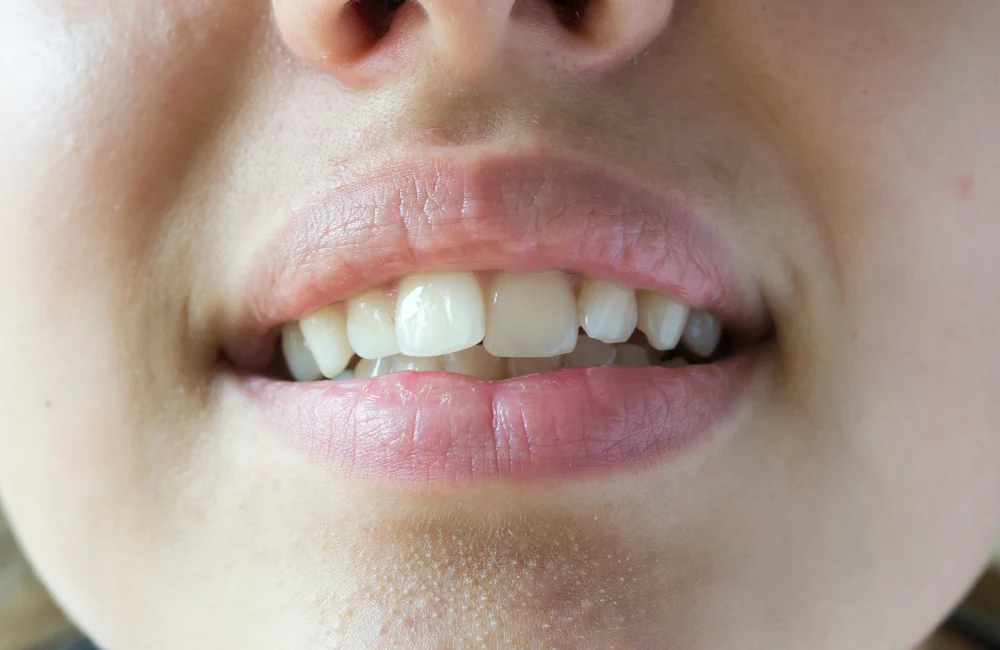
Crowded teeth, also known as malocclusion, is a condition where teeth are twisted, tilted, or overlapping. This typically occurs when there is not enough space in the jaw for teeth to align properly. As a result, they are forced to shift or rotate to fit, disrupting the natural curve of the jawline. Beyond aesthetics, this misalignment can lead to long-term oral health problems.
How to Tell If You Have Crowded Teeth
Dental crowding can range from minor, with a single tooth slightly out of place, to severe, with multiple overlapping teeth. You may have crowded teeth if you notice:
- Teeth that are twisted, rotated, or tilted.
- Teeth that overlap or sit in front of or behind others.
- Teeth that jut forward or are set back from the main arch.
- An improper or uncomfortable bite where the top and bottom teeth don’t meet correctly.
What Causes Crowded Teeth?
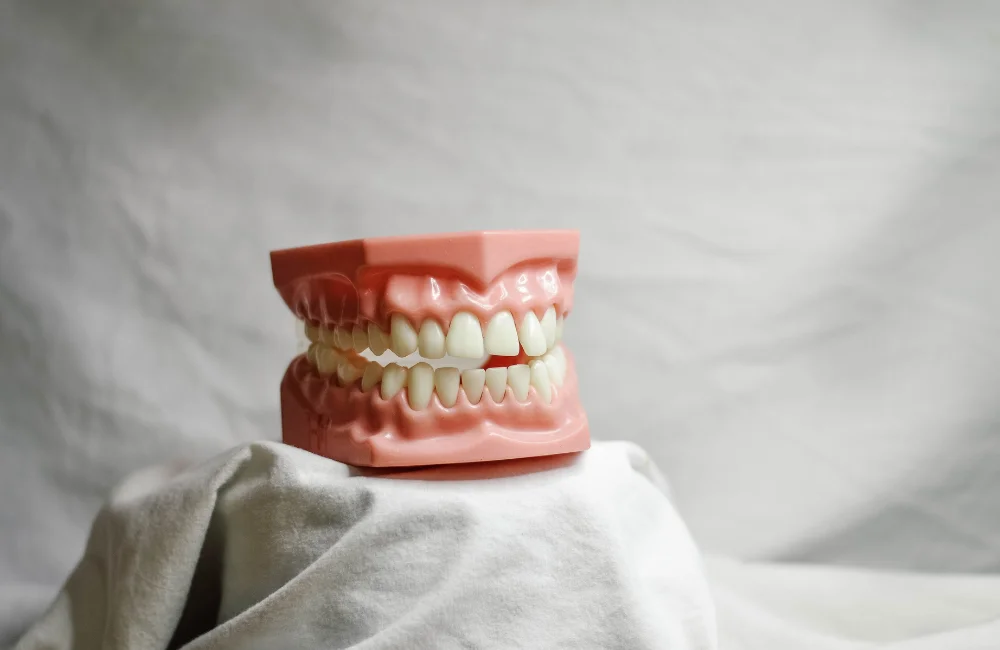
Understanding the cause of your crowded teeth is key to planning the most effective treatment. The main reasons include:
- Genetics: Your genes play a significant role. The size of your jaw and teeth are hereditary traits. A small jaw paired with large teeth often leads to insufficient space, causing teeth to crowd as they emerge.
- Facial Trauma: An accident or injury affecting the jaw or teeth can alter their structure and alignment, causing teeth to shift from their original positions and lead to crowding.
- Excessive Pressure: Certain habits, especially in childhood like prolonged thumb-sucking or pacifier use, can exert pressure on developing teeth, causing them to move. In adults, habits like tongue thrusting or teeth grinding can also lead to misalignment.
- Premature Loss of Baby Teeth: If a baby tooth is lost too early, the adjacent teeth can drift into the empty space. This reduces the room available for the permanent tooth to erupt, forcing it to come in crooked or become impacted.
Health Complications Caused by Crowded Teeth
Crowded teeth are more than just a cosmetic issue; they can lead to several health complications:
- Difficulty Cleaning: Overlapping teeth create hard-to-reach spots, making brushing and flossing difficult and leading to plaque and tartar buildup.
- Increased Risk of Cavities: Ineffective cleaning increases the likelihood of tooth decay in the tight spaces between crowded teeth.
- Gum Disease: Bacteria buildup around crowded teeth can cause gum inflammation (gingivitis) and may progress to more severe periodontal disease.
- Abnormal Tooth Wear: An imbalanced bite can cause uneven wear on tooth enamel.
- Jaw Problems: Misalignment can strain the temporomandibular joint (TMJ), leading to jaw pain, headaches, or facial pain.
- Bad Breath (Halitosis): Trapped food particles and bacteria in areas that are hard to clean are a common cause of persistent bad breath.
- Reduced Confidence: An unattractive smile can impact self-esteem, causing reluctance to smile or speak in public.
How to Treat Crowded Teeth
The best treatment for crowded teeth depends on the severity of the issue, the patient’s age, and the underlying cause. A dentist will recommend the most suitable option.
- Orthodontic Braces Braces are the most common and effective solution for correcting crowded teeth. They use gentle, continuous pressure to move teeth into their proper positions. Options include traditional metal braces and less visible clear aligners. Treatment typically lasts 1-3 years and provides a permanent solution that improves both aesthetics and bite function.
- Dental Veneers For mild crowding affecting only the front teeth, veneers are an excellent cosmetic option. Veneers are thin, custom-made shells (often made of porcelain) bonded to the front surface of teeth to improve their shape and alignment. While much faster than braces, veneers do not correct severe bite issues.
- Jaw Surgery In severe cases where crowding is caused by a significant jawbone discrepancy, orthognathic (jaw) surgery may be required in conjunction with braces. The surgery realigns the jawbone, creating the necessary space for teeth to be properly positioned with braces. This approach is typically for adults whose jaw growth is complete.
Restore Your Beautiful Smile at XDC Dental Clinic

Crowded teeth can be corrected with the right treatment plan. At XDC Dental Clinic, our team of expert dentists will carefully analyze your situation and design a personalized plan for you. Whether you need standard metal braces or Invisalign clear aligners, our clinic adheres to the highest international AACI accreditation standards. With modern technology and strict infection control protocols, you can be confident you are receiving the best care.