A Patient’s Guide to Correcting an Overjet (Protruding Front Teeth)
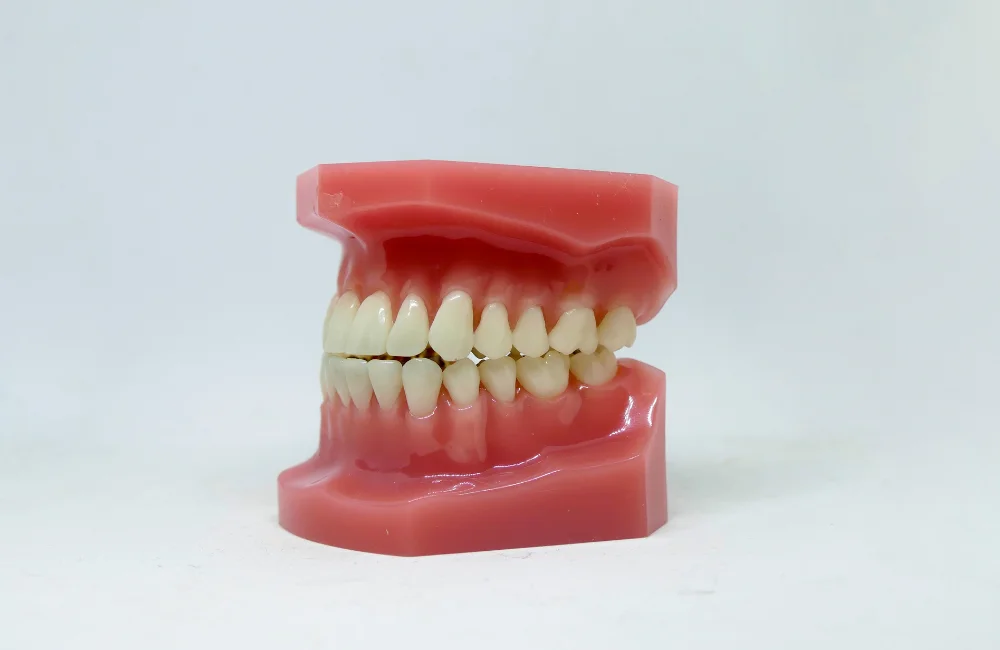
Protruding front teeth, a condition known as an “overjet,” is a common concern for many people. It not only affects the appearance of your smile and your confidence but can also lead to oral health complications. An overjet is characterized by the upper front teeth extending too far out over the lower front teeth. The good news is that it can be corrected with orthodontics and other treatments. But how effective is treatment? Let’s get a clear understanding.
What is an Overjet?
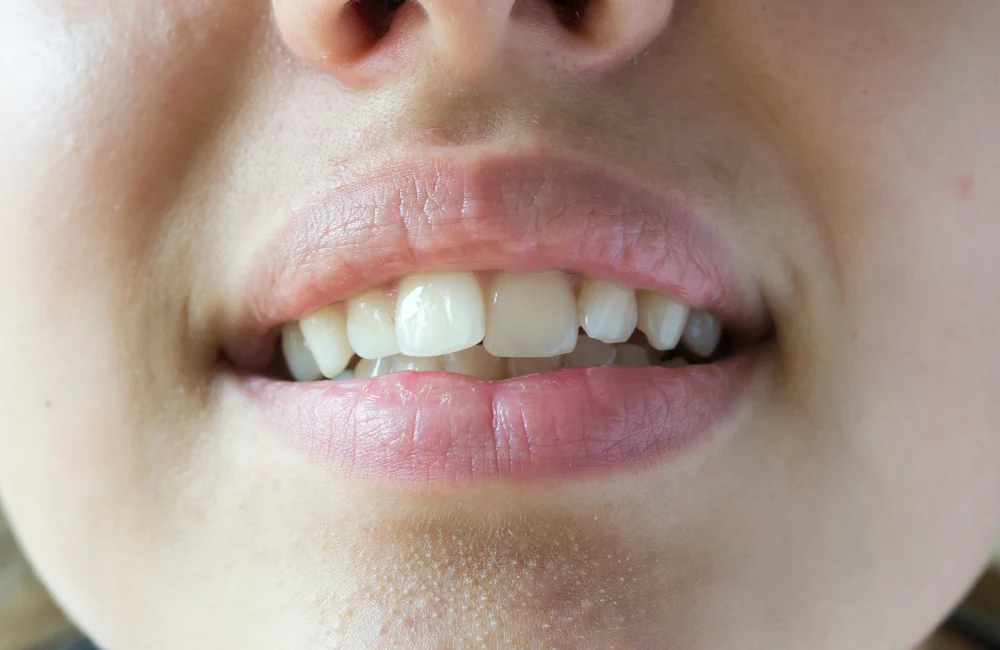
An overjet is a dental condition where the top front teeth protrude horizontally past the bottom front teeth. Ideally, the upper teeth should sit just slightly in front of the lower teeth by about 2-4 millimeters. When this horizontal gap is larger, it is classified as an overjet. This can be caused by genetics, jawbone structure abnormalities, or certain childhood habits like thumb-sucking.
How to Identify an Overjet
You can typically identify an overjet by looking at your profile when your mouth is closed. If there is a noticeable horizontal gap (more than 4 mm) between your upper and lower front teeth, you likely have an overjet. Other signs include:
- Difficulty closing your lips completely.
- Problems with chewing or biting.
- Difficulty pronouncing certain words.
- The lower lip rests behind the upper front teeth.
- The upper teeth appear unusually prominent when you smile.
The 4 Main Causes of an Overjet
- Genetics Heredity plays a major role. If your parents or other family members have a similar facial and dental structure, you have a higher chance of developing an overjet. This is especially true if you inherit a mismatched jaw size, such as an overdeveloped upper jaw or an underdeveloped lower jaw.
- Childhood Habits Habits during childhood can significantly influence the development of the teeth and jaw. Prolonged thumb-sucking, pacifier use beyond the age of 4, or persistent tongue-thrusting (pushing the tongue against the front teeth) can push the upper teeth forward, creating an overjet.
- Irregular Jawbone Structure A primary cause of a significant overjet is an issue with the jawbone itself. This could be an upper jaw that is too far forward or a lower jaw that is too small or set too far back. In these cases, orthodontics alone may not be enough, and jaw surgery might be required for a complete correction.
- Tooth Loss Losing a tooth without getting a replacement can cause adjacent teeth to shift into the empty space. This can disrupt the alignment of all the teeth and may lead to the front teeth protruding over time, especially if a back tooth, which supports the bite, is lost.
3 Effective Ways to Treat an Overjet
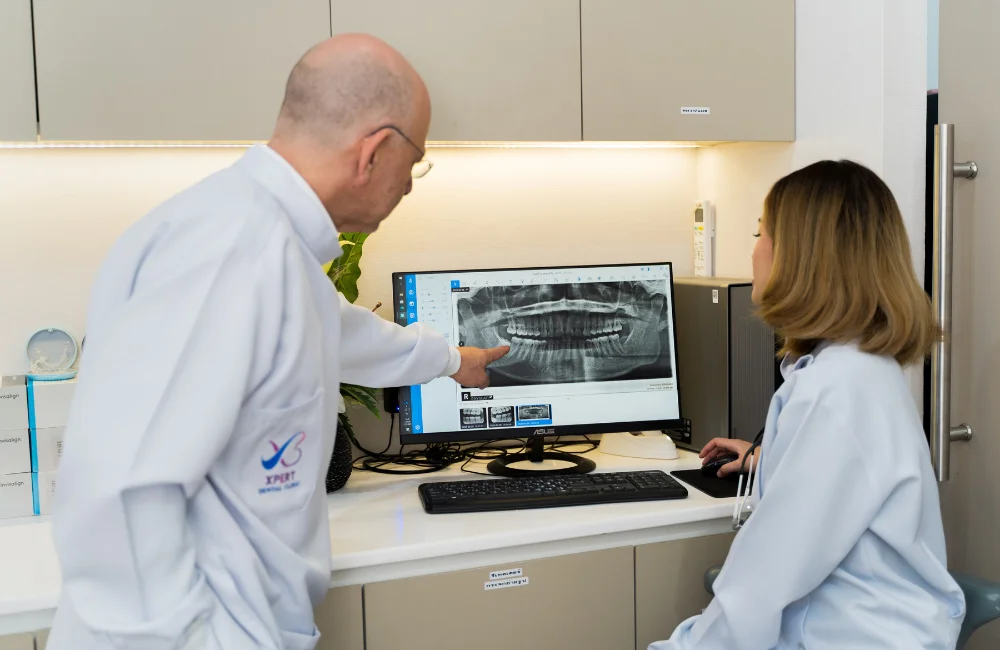
The best method for correcting an overjet depends on its cause and severity. A dentist or orthodontist will recommend the most suitable approach for you.
- Orthodontic Braces Braces are the most common and highly effective treatment for an overjet. By applying gentle, consistent pressure, braces gradually move the teeth into their correct positions. Patients can choose between traditional metal braces or more discreet options like clear aligners. Treatment typically takes 1-3 years and provides a lasting solution that improves both aesthetics and bite function.
- Jaw Surgery (Orthognathic Surgery) For severe overjets caused by skeletal discrepancies, surgery may be necessary in conjunction with braces. The surgery repositions the jawbone—either by moving the upper jaw back or the lower jaw forward—to create a balanced and functional bite. This method is suitable for adults whose bone growth is complete.
- Palatal Expander A palatal expander is an appliance used for children whose jaws are still growing. It works by gradually widening the upper jaw, creating more space for the teeth to align properly. This can help reduce the severity of an overjet. This appliance is typically used for 5-6 months in children aged 7-14, often before a full course of braces.
Health Complications Associated with an Overjet
An overjet is more than a cosmetic issue. It can lead to several health and quality-of-life problems:
- TMJ (Jaw Joint) Problems: An imbalanced bite can strain the jaw joints, potentially causing pain, clicking sounds, or headaches.
- Increased Risk of Tooth Injury: Protruding teeth are more vulnerable to being chipped or knocked out in an accident.
- Speech Impediments: An overjet can affect the pronunciation of certain sounds, leading to a lisp or unclear speech.
- Uneven Tooth Wear: An improper bite can cause some teeth to wear down faster than others.
- Gum and Tooth Disease: Misaligned teeth are harder to clean, increasing the risk of gum disease and cavities.
- Psychological Impact: Feeling self-conscious about your smile can negatively affect confidence and social interactions.
Solve Your Overjet Problem at XDC Dental Clinic

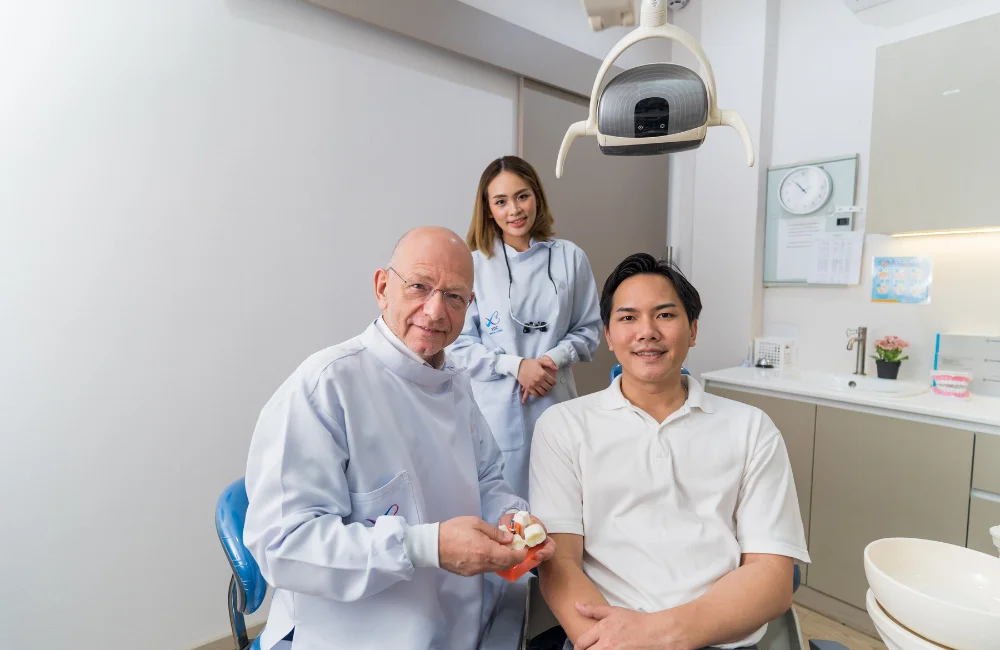
An overjet can be corrected with the right treatment plan. At XDC Dental Clinic, our team of expert dentists is ready to analyze the cause of your overjet and design a personalized treatment plan just for you.
Whether your solution involves standard metal braces, Invisalign clear aligners, or treatment in coordination with other dental specialties, we are here to help. With our modern technology and internationally AACI-accredited standards, we are dedicated to helping you regain full confidence in your smile.
Schedule a consultation with our dentists today to begin your journey toward a beautiful smile and excellent oral health.